Debunking Myths: Common Misconceptions About Church Life


Understanding Church Life: Myths vs. Reality
Church life is often surrounded by a variety of myths and misconceptions. These misunderstandings can create barriers for those curious about joining a church community. In this post, we aim to debunk some of these common myths and provide a clearer picture of what church life truly entails.
Myth 1: Church Is Only for the Perfect
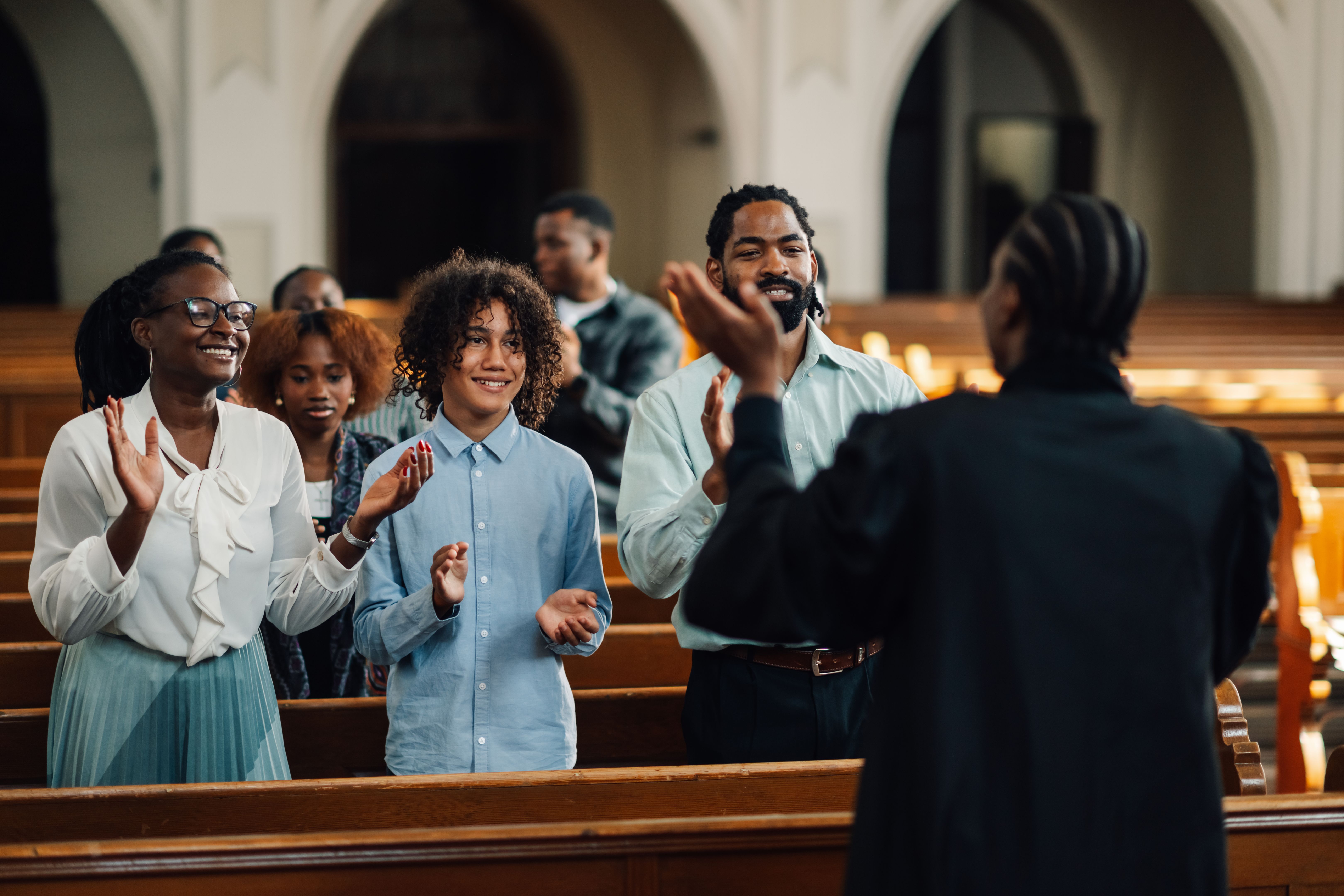
One of the most pervasive myths is that church is reserved for those who are perfect or without flaws. In reality, church communities are made up of individuals from all walks of life, each with their own struggles and imperfections. Churches are places for growth, support, and healing, welcoming everyone regardless of their past or present circumstances.
The idea that one must have their life completely together before attending church is not only untrue but also counterproductive. Churches are spaces where people come to seek guidance and support, not to display perfection.
Myth 2: Church Is Boring and Outdated
Another common misconception is that church services are monotonous and irrelevant to modern life. While traditions are an important aspect of many churches, many congregations also incorporate contemporary music, technology, and relatable sermon topics to engage their members.
Churches today strive to address current societal issues and provide practical advice for everyday challenges. Many offer various programs and activities that cater to different age groups and interests, making church life vibrant and dynamic.
Myth 3: Churches Are Only Focused on Religion
While faith is a central component, churches often play a broader role in their communities. Many churches are actively involved in social justice initiatives, charity work, and community support programs. They serve as centers for both spiritual growth and community development.
Churches frequently partner with local organizations to address issues such as poverty, homelessness, and education, demonstrating their commitment to making a positive impact beyond their congregations.

Myth 4: You Must Know Everything About the Bible
Some people believe that a deep understanding of the Bible is required before attending church. However, churches are places for learning and exploration, where questions and curiosity are encouraged. Many churches offer study groups and educational programs to help members grow in their understanding at their own pace.
Whether you're a seasoned scholar or a newcomer to biblical studies, church communities are there to support your journey of faith and learning.
Myth 5: Church Is Exclusively for the Elderly
It's a common stereotype that churches are only filled with older individuals. In fact, many churches have vibrant youth programs and activities designed for young people and families. From youth groups to family events, churches offer a wide range of opportunities for all ages to connect and participate.

Churches today are increasingly focused on creating inclusive environments that appeal to younger generations while maintaining a sense of tradition and community.
In conclusion, church life is diverse, inclusive, and relevant to people of all ages and backgrounds. By understanding and debunking these myths, individuals can gain a more accurate perspective of what it means to be part of a church community, opening the door to new experiences and connections.