The Role of Music in Worship: Enhancing Your Spiritual Experience


The Transformative Power of Music in Worship
Music has been an integral part of worship across various cultures and religions for centuries. Its ability to evoke emotions and create a sense of unity makes it a powerful tool in enhancing spiritual experiences. Whether through hymns, chants, or contemporary worship songs, music can elevate the act of worship to a profound level.
Creating a Sacred Atmosphere
One of the primary roles of music in worship is to create a sacred atmosphere. The melodies and harmonies provide a backdrop that helps worshippers transition from their everyday lives into a more reflective and contemplative state. This shift in focus allows individuals to connect more deeply with their spirituality.
Music's ability to set the tone for worship is unparalleled. From the moment the first notes are played, it signals a change in the environment, inviting participants to engage with their faith on a deeper level. This is particularly evident in traditions where specific songs are associated with particular rituals or moments within the service.
Fostering Community and Unity
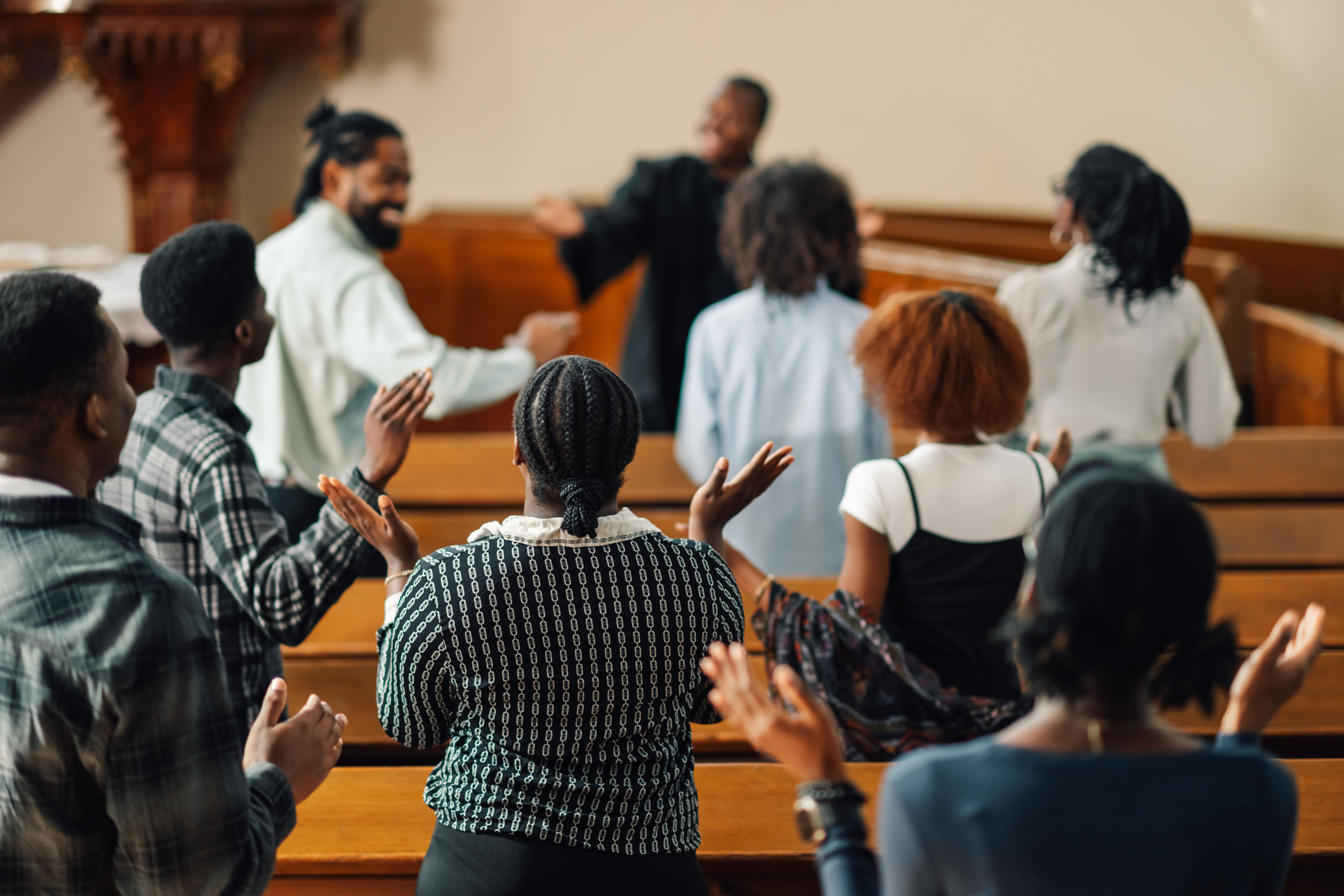
Music also plays a crucial role in fostering a sense of community and unity among worshippers. Singing together creates a bond, breaking down barriers and bringing people together in a shared expression of faith. This communal aspect of music in worship can be particularly powerful, strengthening the sense of belonging and shared purpose.

Furthermore, participating in music allows individuals to express their devotion in a collective manner. This shared experience can be incredibly moving, enhancing the overall impact of the worship service and reinforcing the communal ties within the congregation.
Expressing Emotions and Devotion
Music provides a means for worshippers to express their emotions and devotion in ways that words alone may not convey. Through music, individuals can articulate joy, gratitude, sorrow, and reverence, making their worship experience more personal and heartfelt. This emotional expression can lead to a more profound spiritual connection.
Moreover, music's ability to evoke emotion can help individuals process their feelings and experiences, allowing for healing and transformation. The emotional release that music facilitates can be a powerful aspect of spiritual growth and renewal.
Enhancing Worship Through Diversity
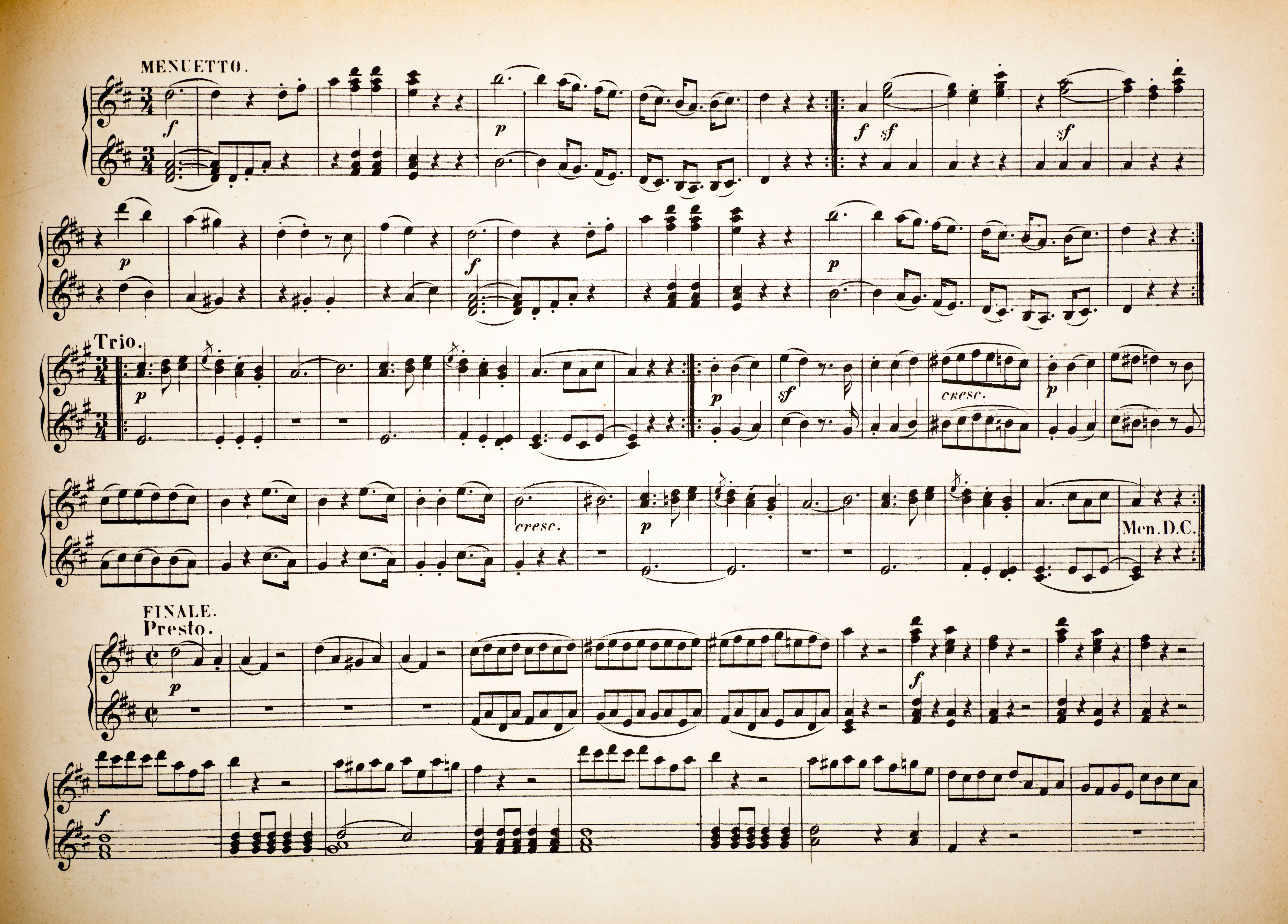
Diversity in musical styles and traditions can greatly enhance the worship experience. Incorporating a variety of musical genres and instruments can enrich the service, appealing to a broader range of preferences and backgrounds. This inclusivity can make worship more accessible and engaging for all participants.
Many congregations are exploring diverse musical expressions, from gospel and classical to contemporary and world music. This diversity not only enriches the worship experience but also reflects the universal nature of spiritual expression.
Conclusion: Embracing the Gift of Music
In conclusion, the role of music in worship is multifaceted and profound. It has the power to create sacred spaces, foster community, express emotions, and embrace diversity. By understanding and embracing the gift of music, worshippers can enhance their spiritual experiences and deepen their connection to their faith.
As you engage in worship, consider the ways music can enrich your spiritual journey. Whether through singing, listening, or playing an instrument, let the power of music guide and inspire your worship experience.