Understanding the Role of Worship in Modern Christianity


The Importance of Worship in Christianity
Worship has always been a central aspect of Christianity, serving as a vital expression of faith and devotion. In modern Christianity, worship continues to evolve, adapting to cultural and societal changes while maintaining its core significance. Understanding the evolving role of worship can help deepen the connection between believers and their faith.
At its core, worship is about honoring and revering God. It is an opportunity for believers to express their love and gratitude, seeking a closer relationship with the divine. Worship practices can vary widely among different denominations and cultures, yet they all share the common goal of glorifying God.

Traditional vs. Contemporary Worship
In recent years, there has been a noticeable shift from traditional worship styles to more contemporary forms. Traditional worship often involves hymns, liturgical readings, and structured services. These elements provide a sense of continuity and connection to the historical roots of Christianity.
Contemporary worship, on the other hand, tends to be more informal and dynamic. It might include modern music, multimedia elements, and interactive components. This style aims to engage a younger audience and make worship more accessible to a broader demographic.
The Role of Music in Worship
Music plays a pivotal role in both traditional and contemporary worship settings. It has the power to evoke emotions, inspire reflection, and foster a sense of community among congregants. In modern Christianity, worship music often incorporates genres like gospel, rock, and pop, providing diverse ways for individuals to connect spiritually.
Many churches have embraced the use of worship bands and choirs, creating a vibrant atmosphere that enhances the worship experience. Whether through classic hymns or contemporary praise songs, music remains a crucial element in bringing people together in worship.
Technology and Worship
Advancements in technology have significantly impacted how worship is conducted in modern Christianity. Live streaming services, online worship platforms, and digital resources have made it easier for people to participate in worship from anywhere in the world. This accessibility is particularly beneficial for those unable to attend in person due to health, distance, or other constraints.

Moreover, technology allows churches to reach a wider audience, sharing their message and services beyond the confines of a physical building. This expansion can lead to a more inclusive and diverse congregation, enriching the worship experience for all involved.
The Community Aspect of Worship
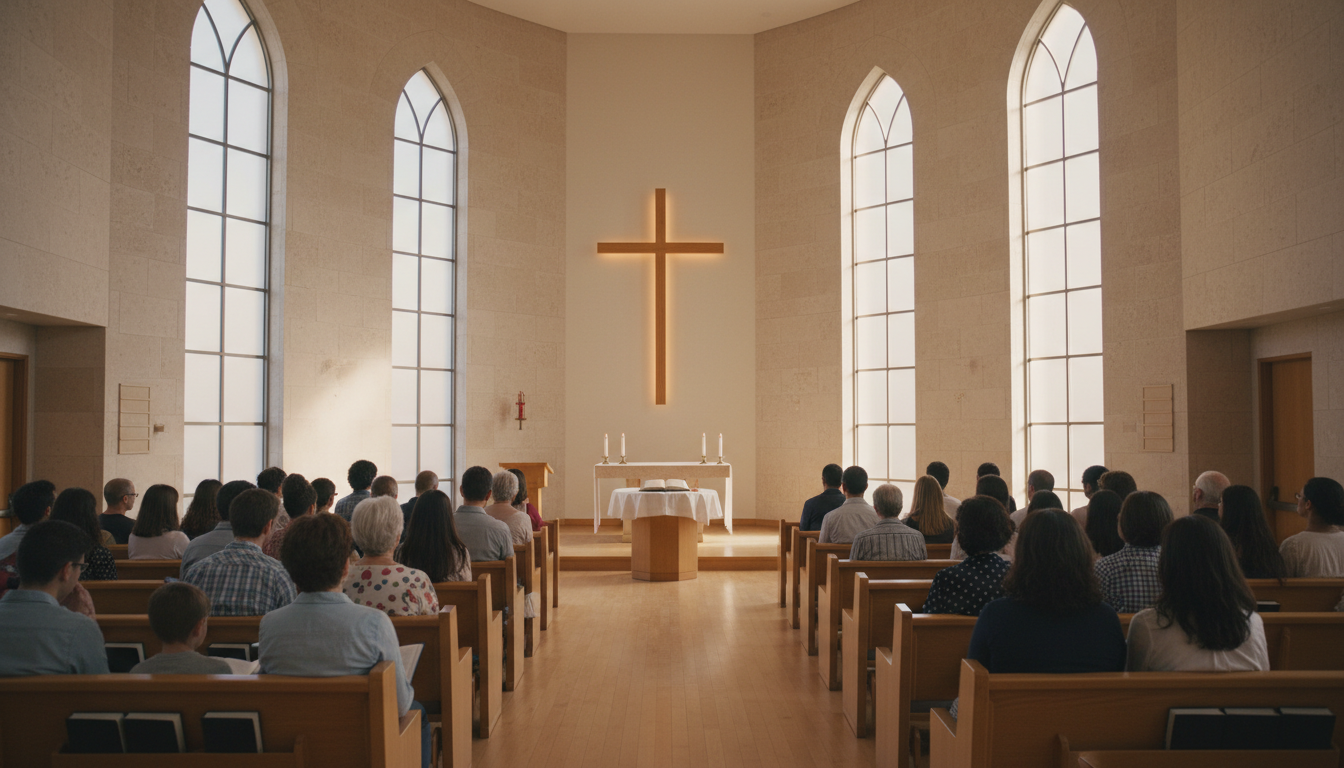
While individual worship is essential, communal worship holds a special place in Christianity. Gathering with others to worship fosters a sense of belonging and shared purpose. It provides a support system, encouraging individuals in their faith journey and offering opportunities for growth and fellowship.
Churches often serve as hubs for community activities and outreach, extending their influence beyond spiritual matters. This community aspect emphasizes the holistic role worship plays in nurturing both spiritual and social well-being.

Conclusion: The Future of Worship
As society continues to evolve, so too will the practices and expressions of worship within Christianity. Whether through embracing new technologies, exploring diverse musical styles, or fostering a sense of community, worship remains a dynamic and integral part of the Christian faith. By understanding its role, believers can continue to find meaning and inspiration in their spiritual lives.